
Signs Your Apartment or House Has Mold

Mold does not wait for a flood. In South Florida it grows in the quiet places that stay damp: a bathroom fan that never quite dries the room, a supply vent that blows a sour smell, a closet against an exterior wall. If you rent an apartment or own a house, the first clues are often the same. Your body notices before you see a patch on the wall.
This is a health article first. It is not a diagnosis, and it is not a substitute for a doctor. If you have trouble breathing, new allergy symptoms, or anyone in the home has a weakened immune system, start with a medical visit. Then have the space inspected.
Visible growth you should not ignore
Look for spotting, staining, or fuzzy patches on walls, ceilings, grout, window sills, and the backs of furniture. Colors range from black and green to white or orange. A little discoloration on a shower grout line can be soap and mildew. Spreading stains around a vent, a bubbling paint blister, or growth on drywall after a leak are different. Those are signs the material itself is wet.
The EPA is clear that you do not need to identify the species. If mold is growing indoors, clean it up and fix the water. Sampling is usually unnecessary when growth is visible. There is no federal “safe” spore count.
Check the places people skip:
- The supply and return vents, including the first few inches of the duct
- Behind the refrigerator, washer, and bathroom vanity
- Closets on exterior walls and the underside of kitchen cabinets
- Window AC sleeves and the area around a window unit
The smell is often the first clue
A musty, earthy, or sour smell that does not go away after you take out the trash is one of the most reliable early signs. EPA guidance lists odor, along with headaches and breathing complaints, as a reason occupants start to worry when a building stays wet.
You may notice it when the AC kicks on, when you open a closet, or when you walk into a bathroom that looks clean. In an apartment that smell often travels through shared ducts or a bathroom stack. In a house it often sits in the attic, the crawl space, or the air handler. If the odor is strongest at a vent, the problem may be inside the HVAC system, not only on a wall.
Moisture clues in apartments and houses
Mold needs water. The EPA’s rule is simple: spores are already in house dust, and they will not grow unless a surface stays wet. Dry wet spots within 24 to 48 hours. Keep indoor humidity below 60 percent, ideally 30 to 50 percent. The CDC is even tighter: no higher than 50 percent if you can.
| Sign | What it often means | What to do |
|---|---|---|
| Condensation on windows, vents, or pipes | Indoor humidity is too high, or a surface is colder than the air | Lower humidity, run the AC or a dehumidifier, dry the surface |
| Musty smell when the AC starts | Moisture in the air handler, drip pan, or ducts | Have the HVAC system inspected; do not spray a scent over it |
| Peeling paint, soft drywall, or warped baseboards | A leak or long-term dampness in the wall | Find and stop the water, then remediate the material |
| Growth around a vent or on a ceiling stain | Wet building material, sometimes from a hidden leak | Stop cleaning large patches; call a pro |
| Bathroom or laundry that stays wet | Not enough exhaust, or a slow plumbing leak | Run the fan longer; fix leaks; dry within 48 hours |
In apartments, shared plumbing and a single HVAC closet can hide a leak that is not in your unit. In houses, roof leaks, slab moisture, and a dirty or leaking air handler are common. Florida humidity does the rest.
How mold can affect your health
The CDC says a damp, moldy room may cause a stuffy nose, sore throat, cough, wheeze, burning eyes, or a skin rash, or it may cause nothing at all. People with asthma or a mold allergy can have stronger reactions.
That is not only trade talk. In 2004 the Institute of Medicine, asked by the CDC to review the research, found sufficient evidence that indoor mold is linked to upper-respiratory symptoms, cough, and wheeze in otherwise healthy people, and to worse asthma symptoms in people who already have asthma. The same review found sufficient evidence for hypersensitivity pneumonitis in people who are susceptible to that immune condition. The World Health Organization’s 2009 indoor-air guidelines reached a similar conclusion: dampness and mold are a health risk, and the fix is moisture control, not a magic spore number.
Common complaints we hear from customers still match that list:
- A cough or stuffy nose that eases when they leave the home
- Watery eyes, itchy skin, or a scratchy throat
- Wheezing or tightness in the chest when the AC runs
Those symptoms have many causes. Only a doctor can tell you what is happening in your body. If the air smells musty and people feel worse indoors, treat both the health question and the building.
What to do next
Open windows if outdoor air is drier. Run the bathroom fan. Fix the leak if you can see it. Do not paint over stains or spray a scent to cover the smell. That hides the problem and leaves the moisture in place.
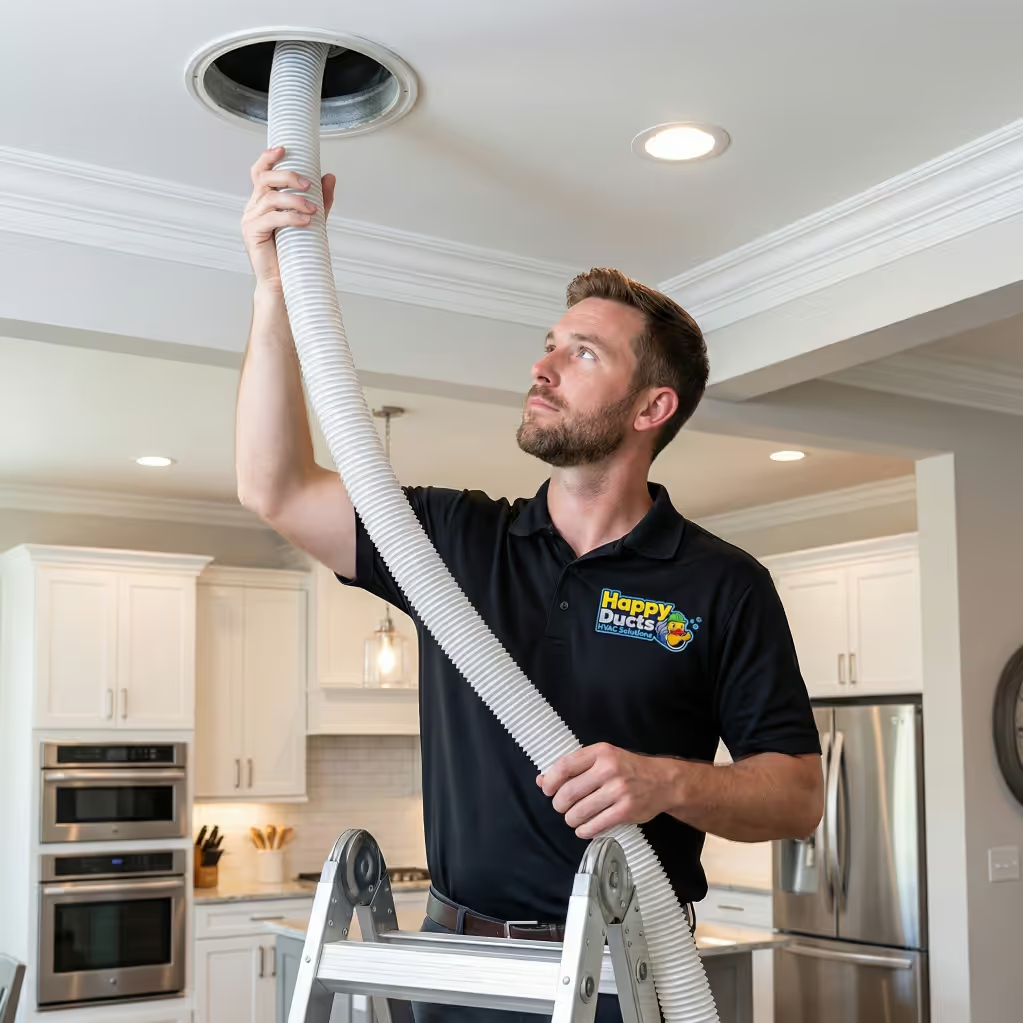
If the growth is larger than a small, contained spot, or if you suspect the HVAC system, professional mold remediation is the next step. Happy Ducts inspects the system and the rooms around it, contains the work, and removes mold with HEPA vacuums and antimicrobial treatment so you are not breathing the cleanup.
Call us at 833-442-7792 for a free estimate. We will tell you what we see and what it takes to get the air in your apartment or house back to something you can live with.
Get Your Free
Estimate Today
Call us today and get your free estimate, no
strings attached.